Parenting After Loss: 5 Years

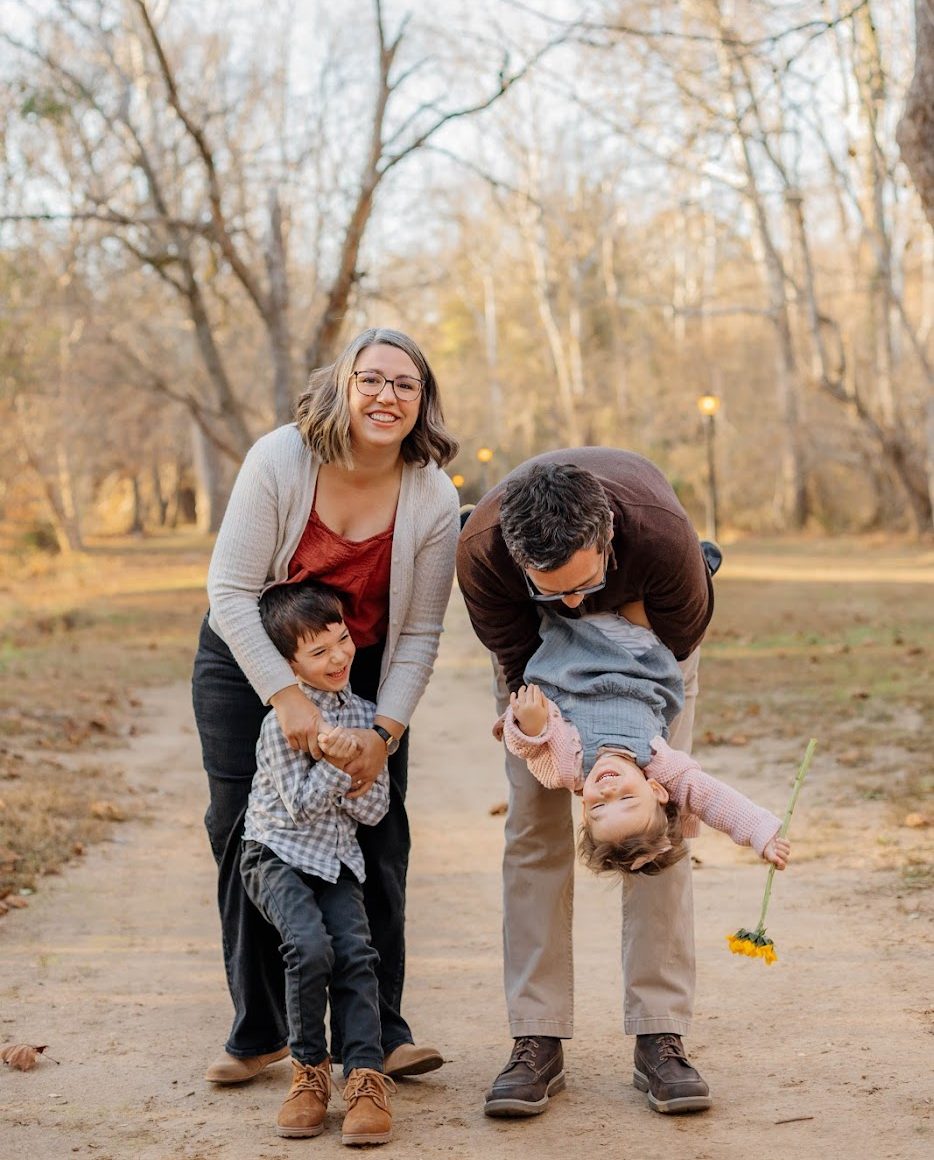
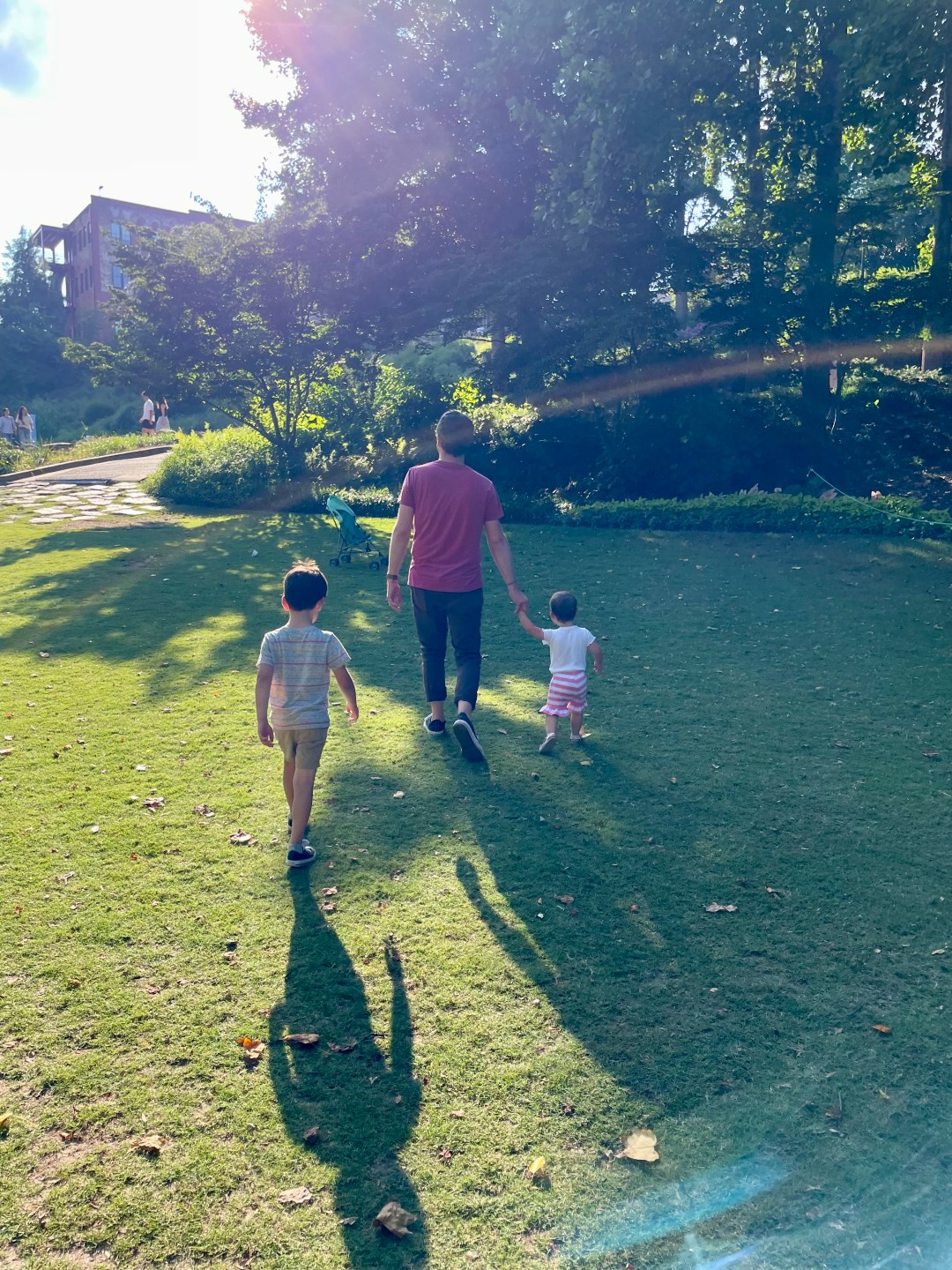
Five years of parenting after loss, 2 rainbow babies, 3 states, 4 homes – we miss Ginny more than ever! We bring our love for her with us on every new adventure our family undertakes. Our love only grows. Our realization of the true gravity of the loss expands when we see Chet and Addie take on each new stage of childhood. We see what she’s missing, what they are missing, what we are missing from her not being here. She’s part of our family, so 5 years of parenting other children won’t make us forget. Five years of parenting other children won’t make us ok with death. 

For anyone who feels like they should be done grieving their miscarriage, stillbirth, or infant loss, please know that it is ok to never stop grieving your child. They should’ve been with you the rest of your life, but they are gone. That is worthy of your mourning, no matter how many years and how many other children you have. Just because you grieve doesn’t mean you don’t have hope. Just because you grieve doesn’t mean you aren’t healing. It is right to be brokenhearted over death – even if you know it is temporary. 

These years later, I will say the grief has changed. The pain isn’t as sharp. The sorrow is not all encompassing. I think of Ginny throughout the day with love, but her death does not consume the majority of my thoughts as it once did. The waves of grief come less often and less intense. Noticing that happening made me sad at first, but now I am ok with it. I realize it doesn’t make me love her any less. I’ve grown strong enough to bear the reality of her absence most of the time. 

Now that we are done having children, I feel like my grief has evolved even more. Anticipating and experiencing pregnancy after loss kept my heart in a state of vulnerability that I am now free from. I will admit, it feels good that that phase is complete. I still have fear of losing my kids or other loved ones. I have to fight intrusive thoughts daily, but it is not as severe as it was with a baby in my womb. 

I worry this distances me from the beloved baby loss community I’ve been a part of since Ginny died. Can I relate to women going through loss in a meaningful way? Are my memories too distant to be of any support or encouragement? Am I more likely to say something hurtful now that I’m not going through it alongside her? I pray that God can still use me through my loss. I want to follow His will for my life whether that be in the baby loss community or elsewhere. I do know that the lessons of my suffering and hope impacts literally everything I do. It has changed who I am so whatever I do, it will be because of Ginny and the work God did in me through her life and death. I do hope my life parenting two children after loss can give others’ hope for the future after their losses. 

“Will Jesus let me fall?”

Why is it always at the most random and unexpected times that 4 year olds ask profound questions? Out of the blue in a dramatic shift in conversation, Chet called out from his 5-point harness carseat, “Will Jesus let me fall?” In a split second, I had to fight back the urge to respond in the way that would provide the most immediate comfort. I wanted to say, “If you trust in Jesus, He will never let you fall! He loves you and will always protect you and keep you safe from harm.”  I refrained. Instead I quickly searched my brain through what I remembered of the half-read book about answering kids’ faith questions that was resting on my dresser. I remembered nothing… “Uh yes Jesus may let you fall, but He will be with you and will comfort you when you do.” I held my breath for what his reaction would be. He changed topics again, probably requesting to listen to “Truckaroo” from the Cars 3 soundtrack. I hope I navigated that ok. I always want to tell my kids the truth, and the truth is that when your legs and feet are growing at the rate Chet’s are, you will definitely fall. And when he does fall, I only want his knees to be scraped, not his faith in Jesus or trust in my words. 

It was 5 years earlier during the ultrasound when the doctor confirmed with the words, “I have to tell you the worst news” that I began to realized that Jesus would actually let me fall. I was free falling. I’m not sure the precise moment when I crashed to the ground, but I do know I felt like I was skidding against pavement for the long time. Ginny, my first and only child at that time, had died. And because I believed in a sovereign God who controls life and death, I knew He let her die. I knew He was letting me suffer. I cried out to God many, many times, and He met me in the darkness many, many times. At first it was in the form of His real and palpable presence. It brought peace in moments where there should have been none. Then He met me through the listening ears and sweet words of friends. Then He met me through His Word. 

Prior to Ginny’s death, I thought that if I had faith enough and prayed hard enough and trusted God enough, I wouldn’t have to face this kind of sorrow. I maybe wouldn’t have said it out loud, but in my heart I thought that because Jesus loved me He would give me a happy and comfortable life. It was wishful thinking disguised as faith. I read the Bible, but I read it blindly. I was blinded by assumptions engrained so deep I confused them for obvious fact. I looked but did not perceive and listened but did not understand (Mark 4:12). Everyone has biases when they read anything, including the Bible. Now that my eyes have been opened to the fact that faithful believers do experience suffering, I see it everywhere in the Bible. How could I have missed such an important part? 

Jesus is the center of it all, and He is known as the Man of Sorrows. Christ suffered through temptation, loss, betrayal, and death. Although Jesus suffered on our behalf, that doesn’t mean that we will not also suffer on this side of heaven. If He suffered, we as His followers will also suffer (John 15:20).  We are not immune to the hardships of a messed up world (2 Timothy 3:12). But when we suffer, we know we are not alone. Jesus is with us; He truly understands (Hebrews 4:14-16). We are given peace that transcends understanding (Philippians 4:7). Jesus even blessed those who go through life’s challenges in His most famous sermon (Matthew 5:3-10). Jesus did NOT say “Blessed are the faithful, for they will never mourn.” Instead Jesus did say, “Blessed are those who mourn, for they will be comforted.” 

The entire Bible is full of stories of God followers who faced hardship and examples of what to do when we feel betrayed by God. We are invited to bring that betrayal, anger, questions, pain, disappointment to God. God doesn’t just tolerate our grievances; He encourages us to bring them to Him. At least 30% of the Psalms are songs of lament. Even from the cross Jesus cried, “My God, why have you forsaken me?!” God’s chosen nation of the Old Testament is named after “one who wrestles with God”. Faith does not mean denying any doubts or confusion; faith means not being afraid to face them with God. And God shows up! 

Just as we see throughout the Bible, when someone encounters suffering, they are not left unchanged. God uses our suffering to bring transformation in our hearts and lives. He reveals truths. He builds our character and hope. That’s exactly what happened and continues to happen to me in my grief. Patient and hopeful endurance is something that takes time and pain to develop, but it is vital for a Jesus follower and ultimately a gift from God. This suffering comes alongside abundant love, joy, and hope (as well as lots of protection, provisions, healing, blessings, favor). It is all part of the full life we are promised as Christians (John 10:10); we get it all. If Jesus does let you fall, remember this time of hardship is only temporary. We are also promised a future of eternal life with no mourning, crying, or pain (Revelation 21:3-4). 

Parenting After Loss – Having a Girl

When I was pregnant with Ginny, I would imagine what it would be like to raise a little girl. I dreamed of the baby stages, toddlerhood, a little girl growing to a teenager, and even spending time with her as an adult. When Ginny died, my imagination didn’t stop, only now I was thinking of everything I would be missing. I have grieved and am still grieving the loss of every stage. When I walk past baby girl clothes sections, I grieve. When I see a mom and her daughter walking around the neighborhood, I grieve. When I see a mother-of-the-bride look with pride at her daughter, I grieve. I don’t just grieve my baby, I grieve a lifetime of moments together. 

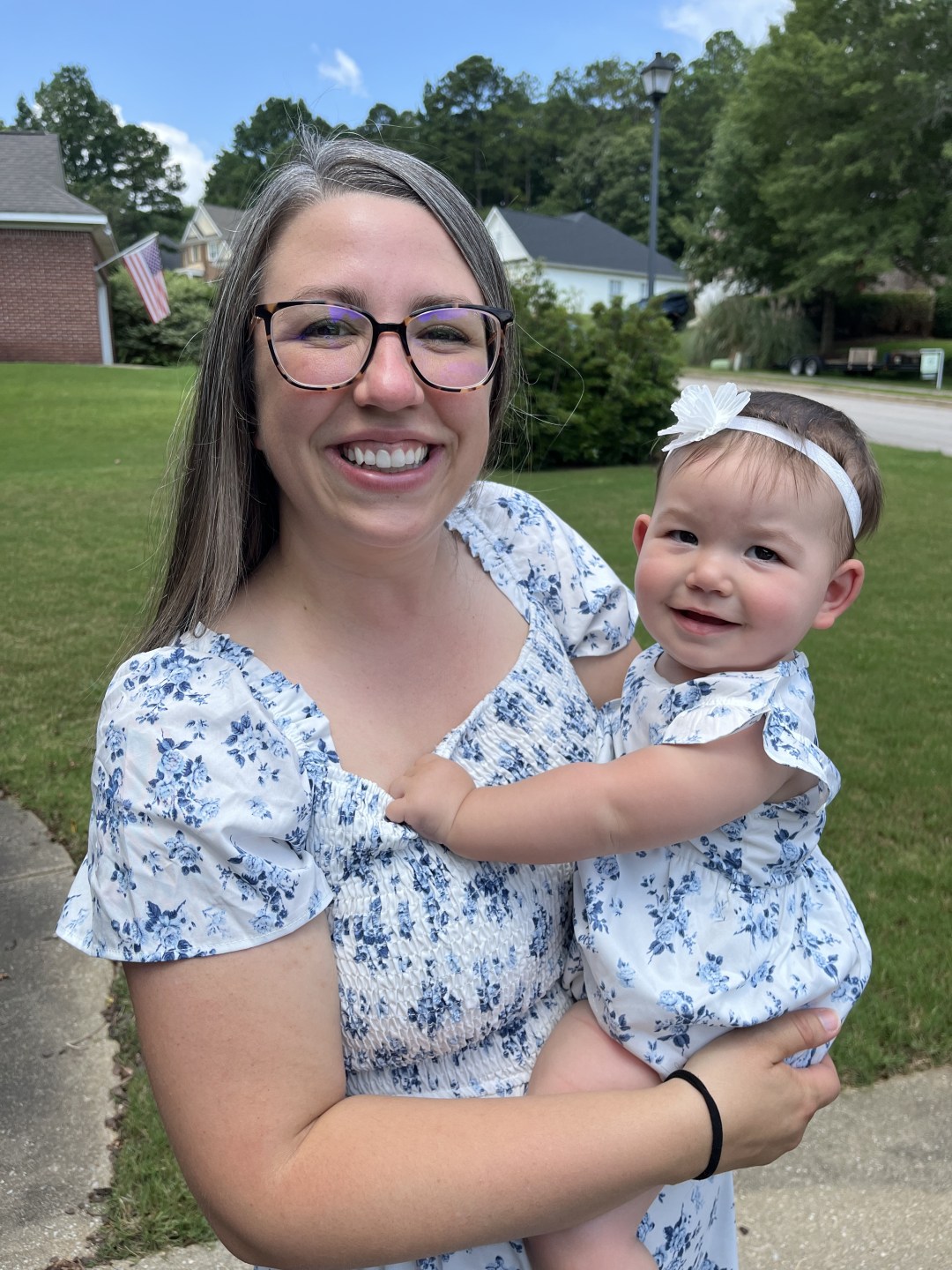
Now that Addie is here, I get to actually experience raising a little girl. I get to experience all those stages I imagined – but with a different daughter. I get to experience everything I thought I never would – but not with Ginny. I’m thrilled and grateful to get this chance. And it has taken me 9 months to realize that I haven’t even thought about it. During Addie’s pregnancy and her first 9 months, I have not sat and dreamed of what it will be like to raise her. It’s just now occurring to me that I haven’t allowed myself to really imagine her growing up. I guess I was trying to protect myself. Just as she is reaching milestones does it start to sink in that we get to raise this beautiful, adorable, sweet girl and that she is truly here with us. I can hold her and see her and kiss her and make her smile. I keep underestimating how fun it is to dress her and watch her learn new things. In the best way, I feel surprised realizing she’s growing and developing. I shouldn’t be surprised. I knew what was coming. We’ve experienced these same stages with Chet. But somehow having a girl still hasn’t truly sunk in. The longer Addie is with us, the more my heart slowly believes that my dream of being a girl mom is actually currently coming true. I can let myself believe it. I do cherish it. I cherish Addie so much. 

As I process this reality, it becomes even more clear how one child cannot replace another. Even though I am experiencing with Addie what I fantasized about with Ginny, I still definitely grieve for her everyday. These moments aren’t fulfilling what was lost because what was lost was an entirely different person. I may not know what Ginny would’ve looked like, but I know what her presence felt like. Addie is just as loved, just as precious, and just as wanted as Ginny, but she is not Ginny. She is her own amazing person. I look forward to every moment with her, but I will still always miss and yearn for her older sister. Addie does complete our family, but she doesn’t fix what is broken in our hearts. I never have and never would expect that from her or Chet. Daniel and I love all our children with all our large, soft, broken open hearts. 

Self-Doubt / My Preeclampsia Story

One simple question- one kind and thoughtful question- was enough to gather a mountain of self doubt in me. “How are you feeling?” Pregnant women get asked this everyday. And the further along you are, the more the question comes up. In the last days of my pregnancy with Addie, I was asked in every encounter. How am I feeling?  I would even ask myself. It shouldn’t be a hard question. But when I pondered this question, I could feel my blood pressure rise.

Because of my personality (Enneagram 9 if you are into that), this question is naturally hard for me. My answer is usually dependent on the moods of those around me. When it comes to deciphering your own emotions, that’s challenging for a lot of people. But most people could easily tell you how they are physically feeling. Not me. Not in the last days of pregnancy and early days of postpartum. And that’s a bad time not to know how you feel. 

I think my trouble stems from how much I didn’t feel during the end of Ginny’s pregnancy. Shouldn’t I have felt that something was wrong? Shouldn’t I have known Ginny was struggling? Shouldn’t my body or my motherly instincts have given me a signal? Did I ignore something? Did I fail to notice red flags? Or do I lack motherly instincts? Can I be trusted with this?

On top of that, during the last month of pregnancy with both Chet and Addie I suffered from prodromal labor. That means I had strong contractions frequent enough to warrant going to the hospital without much, if any, significant progress. I would have hours of painful contractions every 3-5 minutes, and then they would go away to come back in a day or two. So many times I felt I was going in labor to only feel crazy at the next appointment when my cervix hadn’t dilated more. I remember crying to a labor and delivery nurse after being sent home the 2nd time when I was pregnant with Chet. She said, “You aren’t going to miss an 8+lb baby coming out.” But she didn’t understand; I needed my baby to be monitored! How would I know that he is handling the contractions well? My last baby died without me knowing! How would I know if this baby was dying too? I learned to lean on God and to basically ignore how my body was feeling. I would monitor the baby’s movements, but try to ignore my pain. In those moments, how was I supposed to answer “How are you feeling?” When I answered honestly, family and friends would get excited, believing that the baby was coming soon. I had to explain that my contractions don’t mean much, and I would feel so frustrated. I wished everyone would just stop asking me, but I knew they were just being thoughtful. 

I was so relieved when Addie was born. But little did I know that answering about how I was feeling wouldn’t get easier. In fact, it would become a lot harder. 

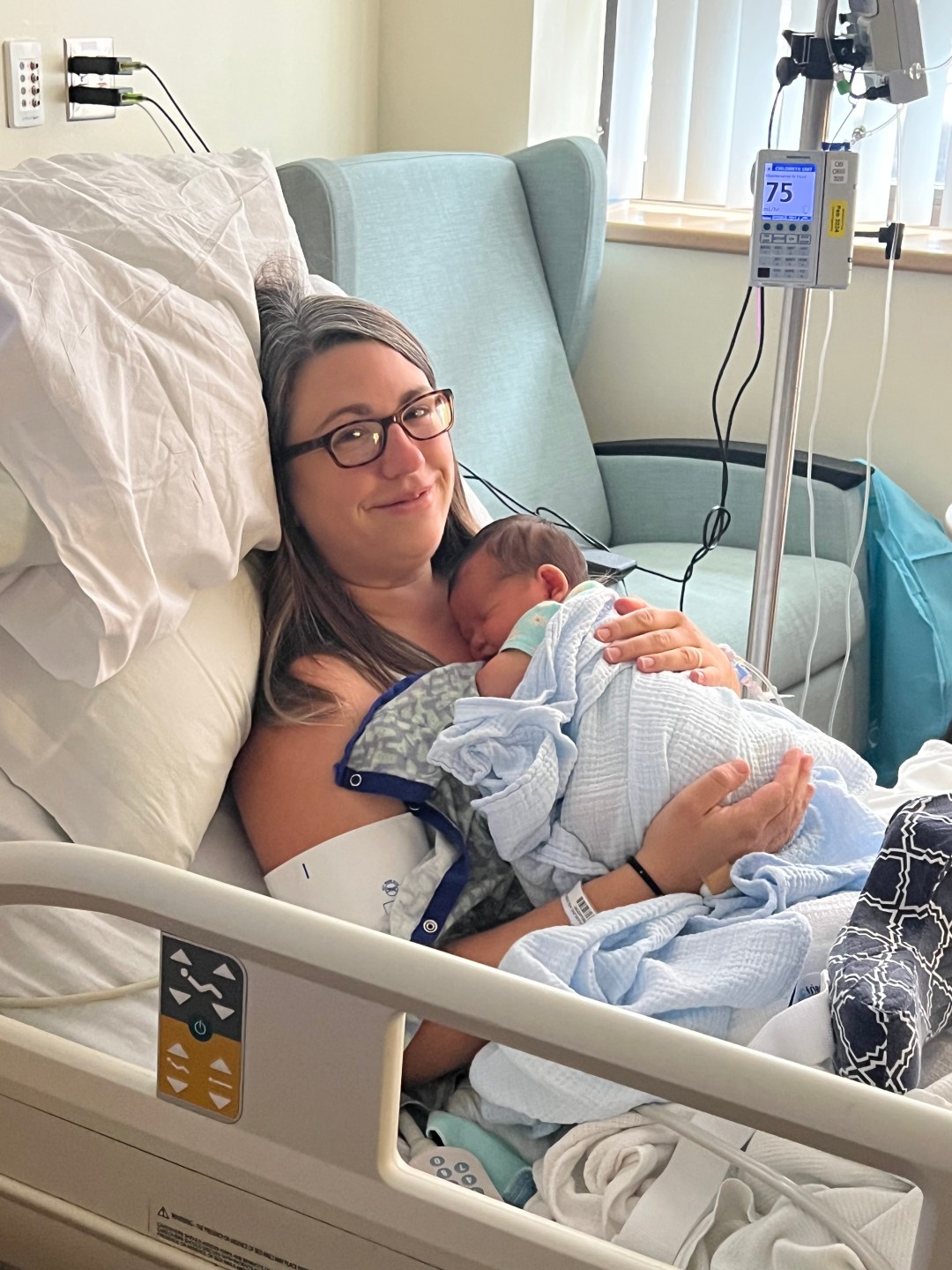
Besides the normal but excruciating post-birth contractions, the first few days after delivering Addie I felt fine. We came home from the hospital, and breastfeeding was going relatively smoothly and Addie was gaining weight back. My milk came in with the bitter-sweet reminder of postpartum with Ginny. All was well. But slowly I noticed my chest feeling funny. I couldn’t quite put my finger on what felt off. I felt sort of anxious, and I felt very aware of my heart and my breaths. I took my vitals. My blood pressure was slightly elevated and my pulse was lower than it had ever been. I didn’t feel right. But then again, I just had a baby. Was I supposed to feel “right”? I called the doctor. They were most concerned about postpartum preeclampsia. The only symptom I had was high blood pressure, and that was only borderline. I continued to monitor my vitals. I became worried and so anxious that I couldn’t sleep, even when Addie slept. Being anxious wasn’t helping my blood pressure. I tried to calm myself before taking my blood pressure, but the numbers were slowly rising. What helped the most was holding Addie to my chest. But it was the last day my in-laws and my sister would visit, so I had to share the cuddles. The next day family hesitantly left. As the day went on, I felt worse. My blood pressure got up to 170/94, and my doctor sent me to the hospital. Since family had already left, we had to rely on our amazing friends to care for Chet. Daniel and my hearts broke to leave him during an already uncertain time for him. Thankfully Daniel and I could bring Addie to the hospital with us.

When we arrived at the hospital, I was again faced with the question “How are you feeling?” from every nurse and doctor I encountered. I hated using phrases like “my chest feels weird” or “I just feel really off”. Nothing felt concrete enough. And I was only 4 days postpartum, so I knew it was normal to not feel myself yet. I kept doubting myself. Am I giving myself high blood pressure by needlessly worrying so much? Do I feel weird because I haven’t slept? Is this just anxiety? But my blood pressure was high, and I have two kids who need me. It’s better to be safe than sorry. They checked my levels for other indicators of preeclampsia. The doctor came in and made it seem like he wasn’t concerned with the results. He asked one last question, “Do you have a headache?” I froze. Do I have a headache? This is a yes or no question. It shouldn’t be hard, but my head felt really fuzzy. I couldn’t tell if I was manifesting a headache by thinking about it so much or if I truly had a headache. I explained my disclaimers to the doctor, “I have a newborn so I haven’t really slept in 4 days. It’s really hard to tell. I do have a slight headache when I shake my head, but honestly I wouldn’t even take a Tylenol for it.” His response felt like something that would happen in a nightmare. “Well since you answered my question wrong, I’m going to have to admit you.” I said, “Uh ok. Are you going to just monitor me or treat me.” He said, “I’m treating you with magnesium.” I asked, “Are there side effects?” He said, “You’re not going to like it.” Then he left, and the nurse proceeded to recite a long laundry list of horrible side effects from feeling really hot, to stomach flu-like symptoms, to inability to move, to trouble breathing, to not being able to nurse your baby. She left me to change into a hospital gown, and I started to panic. What have I done?! Why couldn’t I just chill the hell out and enjoy being home with my two beautiful babies? Why oh why did I answer that question “wrong”?! 

The first night of magnesium treatment wasn’t too bad. And thankfully my sister was able to come back to Auburn the next morning to take care of Addie in the hospital with me while Daniel was able to give Chet a little bit of normalcy. My blood pressure had come down. But then as the morning proceeded, side effects started ramping up. I had trouble holding my head up. I had to focus a lot to breath. I couldn’t sleep for fear I would stop breathing. I could barely lift my arms. Eventually my eyes could no longer move in coordination with each other, and I could hardly see.  I was so grateful the wonderful OB who delivered Addie was the next doctor on call. The nurses explained how I was having an awful reaction to the magnesium, and thankfully she decided to pause my treatment.  It didn’t take long for the magnesium to leave my system and for me to feel much better. Since my case was borderline, I was able to go home once my bloodwork came back good.

The nurses had such a hard time drawing my blood. After being poked by the nearby nurses, the charge nurse, the “vein whisperer”, the one who trains everyone else to draw blood, and finally “the big guns”, I was stabbed 20 times. But honestly God gave me so much grace for that. It was amazing to get to meet all those incredible nurses. One of the last attempts, there were multiple nurses in the room. The one trying was praying out loud, “In the name of Jesus!” I said, “Yes!” in agreement. She got it! The results came in, and my calcium levels were critically low. I was given a couple bags of calcium, and then was finally able to go back home after two nights. 

When I got home, I hid my blood pressure cuff. I didn’t even want to look at it. I would be seen for a follow-up in a few days. I was going to just focus on resting, recovering, and snuggling my babies. Thankfully my blood pressure went back to normal after a few weeks. And when I saw my primary care doctor a couple months later, she told me that my labs did look like I had preeclampsia. I felt validated. I finally felt like what I was feeling was not in my head and that I went through wasn’t for nothing. In the first few weeks when I thought back on that experience, I felt so much self doubt and shame. But when I take a step back and think about how I recognized when I felt something wasn’t right, spoke up about it, and got treatment to protect myself from something much worse, I am proud of how I handled it. It was awful, but it was better to be safe than sorry. And I am so grateful that both Addie and I are safe and healthy.

I still struggle to know how I feel and whether what I feel is fear, instinct, or the Holy Spirit. I pray that God gives me wisdom and discernment in my feelings, especially in parenting after loss.